
 All Topics








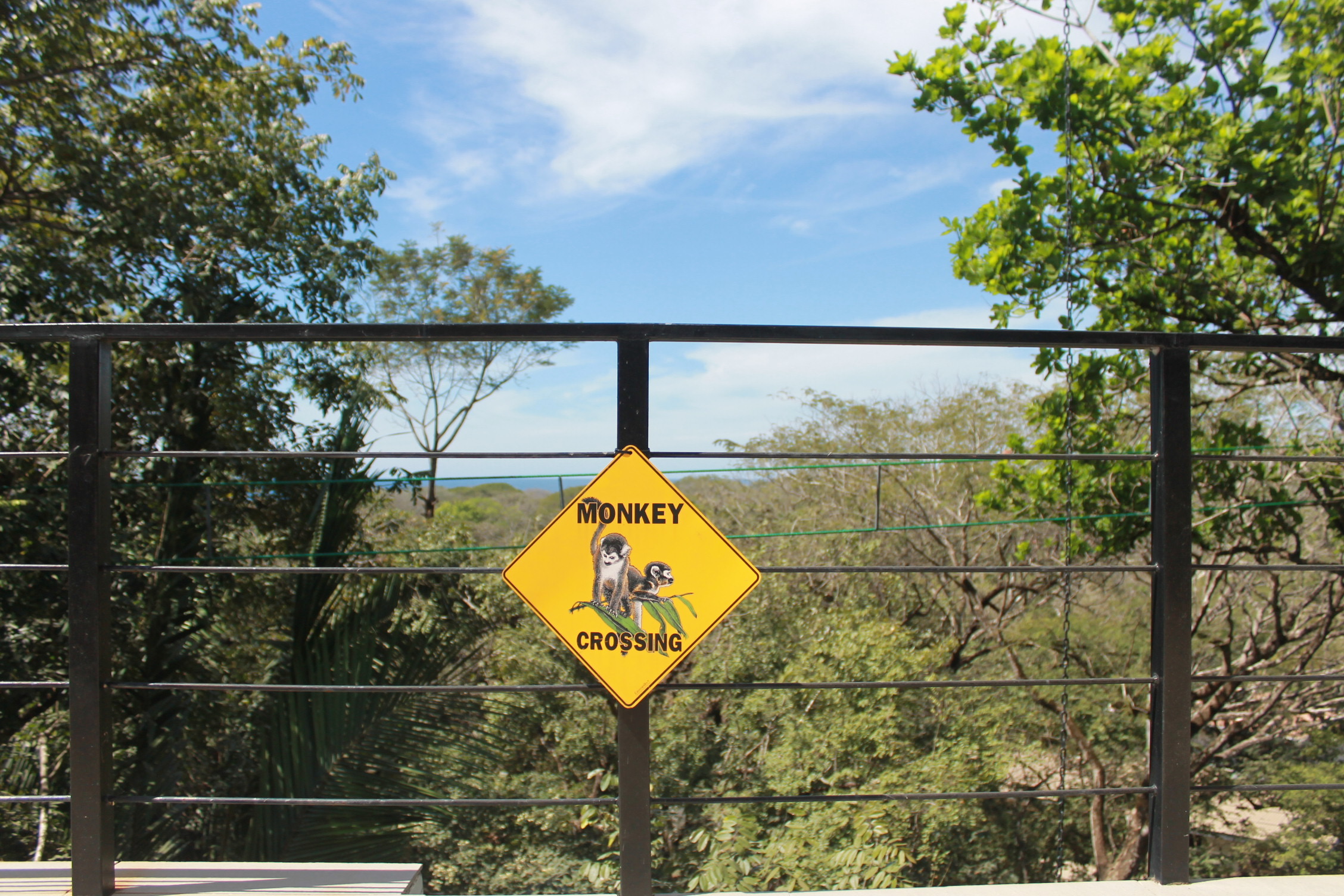
As of January 2026, the Nosara Monkey Bridge Project has installed over 141 monkey bridges across Nosara.
Kailey Aiken

Kailey Aiken
University of Tampa
February 19, 2026
Kailey Aiken
University of Tampa

Between dusty construction sites and boutique hotels poking through a thinning jungle canopy, the spidery black wires sprouting from a transformer box spark, then blow out.
The crack rings out through Nosara, Costa Rica, over the whir of chainsaws, the chatter spilling from swanky coffee shops, and the roar of ATV engines.
Visitors jump at the sound, then quickly recover. But locals and longtime residents wince. The explosion of a transformer is almost synonymous with a wildlife electrocution in Nosara — oftentimes a howler monkey.
In Costa Rica, at least 6,000 animals die annually from electrocution, including monkeys, sloths, and squirrels, according to the Ministerio de Ambiente y Energía. In Nosara alone, at least 100 animal electrocutions occur per year.
Furthermore, Francisco Sánchez Murillo, the veterinary director at International Animal Rescue (IAR), said electric companies admit the real figure is likely much higher, estimating the true number to be around 10,000–12,000 deaths per year.

Twenty years ago, Nosara was a dirt-road surf town. The deep, guttural roars of howler monkeys, the crash of the waves, and the rustling of trees filled the jungle. Now, the monkeys have fallen quiet.
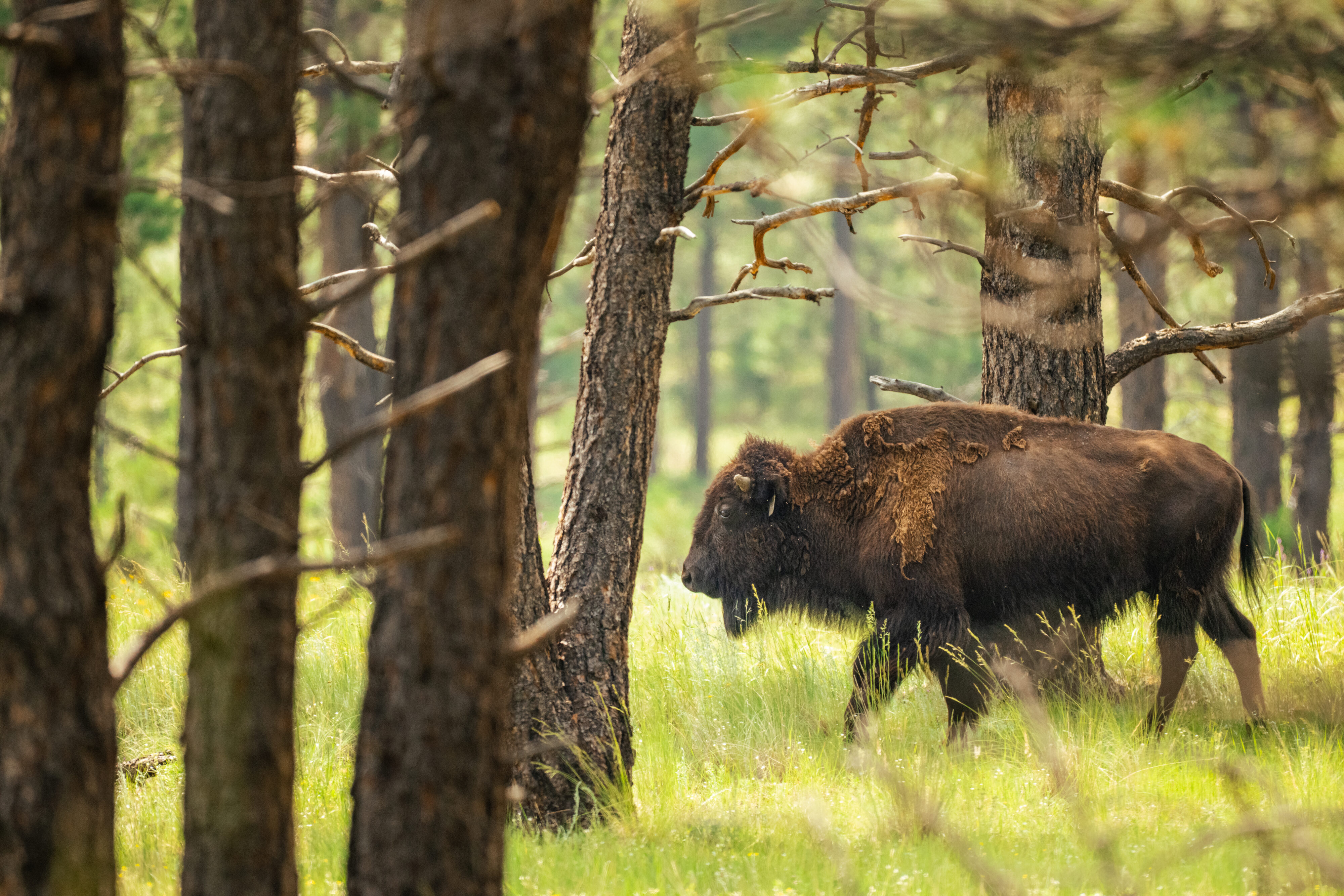
Rapid development around Nosara has destroyed howler monkey habitats and treeline pathways, forcing them to travel on power lines that can electrocute and kill them, according to the IAR.
Every month, Nosara residents find monkeys hanging dead on these lines. That’s when the cries of the howler monkeys return: as they gather to mourn the electrocuted members of their troop.
To prevent these needless deaths, Nosara has turned to a simple but effective solution: monkey bridges. Strung from tree to tree to steer monkeys away from power lines or to fill a gap where a tree path once existed, these rope bridges give howler monkeys a safe way to move between habitats.
Three and a half years ago, Lisa Kraft-Gould, a retired geriatric social worker from New Jersey, visited Sibu Sanctuary, where she learned about the extent of the howler monkey electrocution crisis.
She began researching ways to keep monkeys away from power lines and found that some countries in South America were building wildlife crossings in overdeveloped areas.
“I looked around and there was virtually nothing here. Maybe a couple of green ropes people had put up on their own,” Kraft-Gould said. “I thought, I can do that. I’ll just find somebody to put them up and I’ll raise the money for rope and materials.” And the Nosara Monkey Bridge Project was born.

Within the first few months, it grew beyond a one-woman show.
Christy Podjl became Kraft-Gould’s right-hand woman, especially when Kraft-Gould was spending time back in the United States.
“It started out as her needing a second hand and extra eyes to go out and actually look at locations,” Podjl said.
Podjl helps identify trees that would work best for bridges and which areas would be best suited for the monkeys, taking into account the quality and quantity of trees around and if food sources are available.
Vicki Coan, founder and director of Sibu Sanctuary, aids the project in a different way. Sibu Sanctuary acts as an accountant of sorts for the project, using money from donations and sponsorships to purchase the materials needed. The bridges are then constructed at the Sanctuary.
Sibu Sanctuary also helps spread awareness about the electrocution crisis and bring attention to the Monkey Bridge Project.
“The howlers were the most prolific primate here when I came here 25 years ago, and now they’re endangered,” Coan said. “That is the whole motivation behind this.”
As of January 2026, the Nosara Monkey Bridge Project has installed over 141 monkey bridges across Nosara. Hotels, businesses, and homeowners can sponsor a monkey bridge for their own property or fund one in another location for about $300 each.
While monkey bridges are crucial in reducing animal deaths by electrocution, Nosara still needs a long-term solution.
“The solution actually would be underground cables,” said Murillo.
Some properties and businesses like IAR and Sibu Sanctuary do have underground electricity, opting to pay more to ensure the safety of their wildlife. Most other people and businesses, including the Costa Rican government and electric companies, are unwilling to take on those extra expenses, Murillo said
One of the main draws for tourists to visit Costa Rica is its wildlife, as it is home to over 6% of the world’s biodiversity, per Visit Costa Rica, the national tourism board. However, the board does not acknowledge the electrocution crises or spread awareness about the issue.
“Most of the world doesn’t know that Costa Rica is electrocuting all their wildlife, especially their monkeys,” said Kraft-Gould.

However, the problem is not due to a lack of environmental protections on paper.
“There’s a lot of laws in Costa Rica that protect wildlife and protect biodiversity, which is phenomenal,” said Lisa Fornari, the community engagement officer at IAR. “But they’re only as good as they are implemented.”
In January 2024, Executive Decree 44329 was signed, giving legal weight to a technical guide for preventing wildlife electrocutions by assigning concrete responsibilities to municipalities, conservation authorities, and electrical utilities. The law requires these stakeholders to coordinate on mitigation measures.
While the decree seemed promising, it has yet to be enforced in any capacity in Nosara, said Fornari.
But a recent court ruling has the potential to spark real change. On February 2, Costa Rica’s Constitutional Court ordered the national electric company (ICE) and the Ministry of Environment and Energy (MINAE) to take action in Nosara and address exposed electrical lines to prevent howler monkey electrocutions. The Court has given the organizations six months to implement some sort of change.
If properly enforced, this ruling could mark a new era of environmental protection in Costa Rica, a long awaited victory for organizations like IAR, Sibu Sanctuary, and the Nosara Monkey Bridge Project, who fight to prevent these daily electrocution deaths.
“[The Nosara Monkey Bridge Project] is a great project. And then what? Then we actually need action,” Coan said.

Planet Forward Correspondent | Florida State University


Planet Forward Correspondent | Middlebury College

Michigan State University
A project of

in collaboration with